If you’re like me, you might dislike asking for help. While I’m always willing to assist others, asking for help myself often comes with a sense of shame. We tell ourselves that we should have known better or done something differently to avoid needing help in the first place. This shame can paralyze us, preventing us from getting what we need—or at best, delaying it while we spend too much time worrying.
Over time, I’ve improved, but I still sometimes struggle to ask for help. I might reach out to someone I’m comfortable with, only to find out they can’t provide exactly what I need. But when I ask for help I usually get the thing that I need.
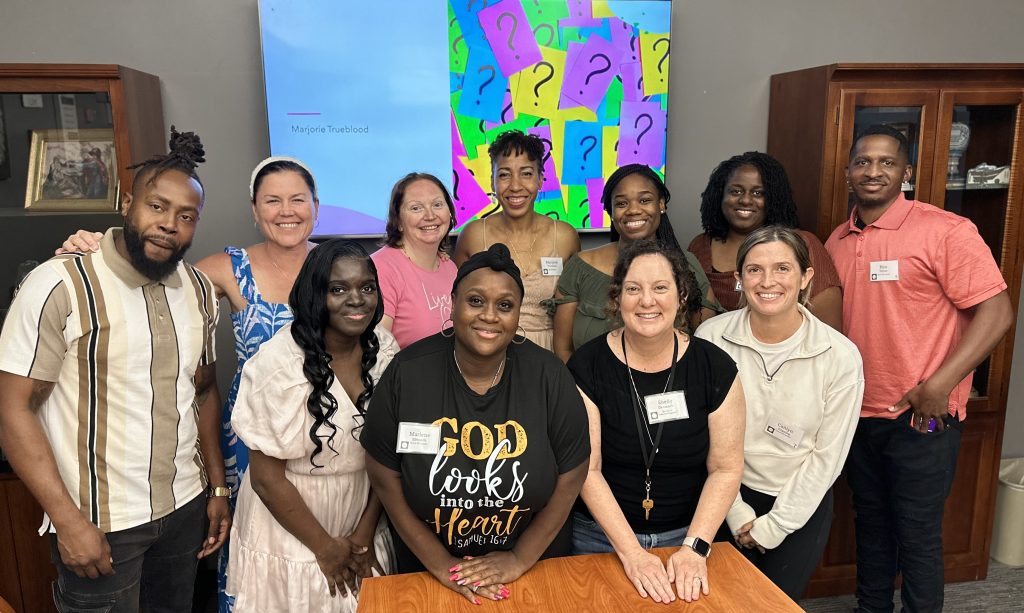
Recently, I had the opportunity to work with the 2024 CRAVE cohort and discussed the art of making the ask. Although this context focused on how to enlist impressive people for your team or task, the tips I received from Dr. Judy Millesen of Ohio University apply universally. She offers five specific tips that can empower you to make the ask:
- Be Intentional: Be clear about what you’re asking for and who you’re asking. Sometimes we ask the wrong person. It’s important to think ahead about whether the person you’re asking can actually meet your needs.
- Be Clear: Ensure the person you’re asking understands the purpose of your request and how it will help you. People are more driven by the “why” than the “what.”
- Don’t Apologize: Even if you feel vulnerable or ashamed, don’t apologize for asking. Apologizing might make the person feel obligated or uncomfortable. Most people want to help, so apologies aren’t necessary.
- Ask with Confidence: Instead of seeing your ask as a deficit, reframe it as a commitment to collaboration and community. We all need help along the way.
- Show Gratitude: People need to feel appreciated and valued. Expressing gratitude for their help makes them feel better about giving their time, talent, or resources.
- Don’t Let a “No” Get You Down: Sometimes you’ll receive a “no,” and that’s okay. It might not have anything to do with you. Respect the “no,” regroup, and think about other ways or people who can help you achieve your goals.
I shared these tips with the CRAVE cohort, and we practiced. Based on the responses they received, they felt more confident in making their asks, and they got positive results. This experience shows that we are stronger together, even through our weaknesses and vulnerabilities. Making the ask can help us meet our needs and goals and build a broader community.
Marjorie is the Dean of the Student Center for Inclusion and Belonging at Rollins College and serves on the board of Crave. Originally from Gary, Indiana, she earned a Bachelor of Arts in Psychology at Earlham College, a Master of Arts in Executive Development for Nonprofit Leadership, and a doctorate in Leadership for Change from Fielding Graduate University. Her passions for social justice, student success, and inclusive community building fuel her contributions to the Orlando community and beyond.